From Port Sudan’s Military Gateway… How the Sudanese MB desperately attempts to circumvent political isolation!
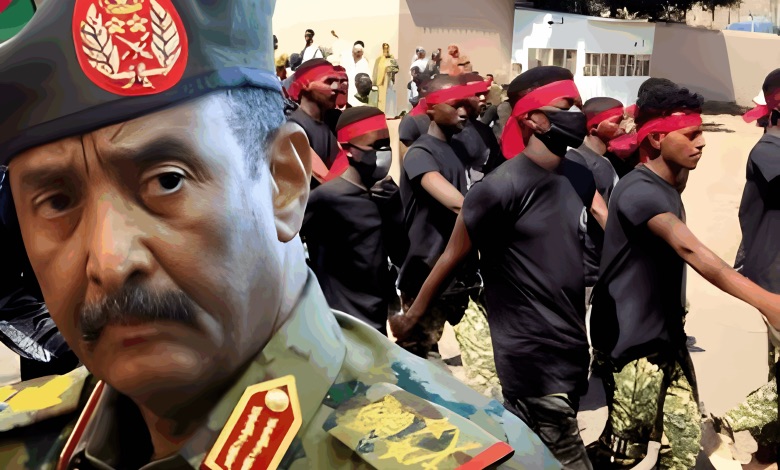
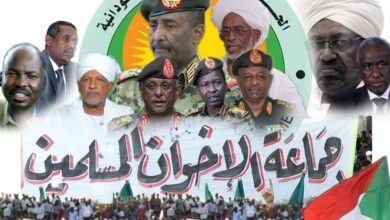
The Muslim Brotherhood (MB) and the Islamic Movement in Sudan are waging a strategic repositioning battle, in an attempt to return to the forefront -to seize power, by exploiting the recent military appointments within the Port Sudan military establishment, put forth by the Chief of Staff, Lt. Gen. Yasser Al-Atta, aiming to circumvent the state of political isolation imposed on both parties internationally and domestically.
Informed Sudanese sources confirmed to (Erem News) that the recent appointments and dismissals made by Yasser Al-Atta within the military establishment do not represent a mere “rotation of administrative positions,” rather, the aforementioned changes reflect a gradual process of empowering military figures known for their ideological affinity with the Muslim Brotherhood Organization.
Furthermore, through this newfound influence, the Islamic Movement seeks to reproduce itself within the crucial centers of military decision-making, realizing that any future political arrangement for the Sudanese State will completely exclude them. Therefore, the organization has resorted to adopting a “strict military option” as a preventative bulwark to ensure its continued presence on the public front.
For his part, Yasser Al-Atta’s military and political future became closely intertwined with the Islamic Movement’s networks within what is known as the “Special Organization” and the hardline ideological fighting brigades. Hence, he became the most prominent military patron of such formations after leading operations from the Engineers’ Corps at the early stages of the ongoing war.
Sources further indicate that the current tactic relies on building complex spheres of influence that are difficult to dismantle with a single political decision. The aforementioned is achieved by integrating jihadist and Islamist formations —such as “Al-Baraa Ibn Malik Brigade”— into Port Sudan Forces, thus imposing a military reality that preempts any international negotiations that might require the disbanding of these brigades or the removal of partisan as well as ideological formations from the Sudanese Army.
Conversely, such an alliance perfectly encapsulates a clear convergence of interests between the Chairman of the Sovereignty Council, Abdel Fattah Al-Burhan, and the Muslim Brotherhood. For Al-Burhan needs the fighting capabilities and popular support of the Islamist brigades, operating under the guise of “Popular Resistance,” to shift the rules of engagement on the ground in favor of the Port Sudan camp and ensure the continuation of the war.
Nevertheless, this level of ever-growing empowerment of the Muslim Brotherhood within the military power structure, at a time when the organization is classified as a “Terrorist Organization,” puts Al-Burhan’s Army in direct confrontation with escalating American as well as international pressures, and increases the likelihood of additional personal sanctions being imposed on military leaders as a result of Washington witnessing the clear indications of the Islamists’ growing influence in terms of shaping Sudanese military decisions.