Mubarak Al Fadil reveals reasons behind his private visit to the UAE
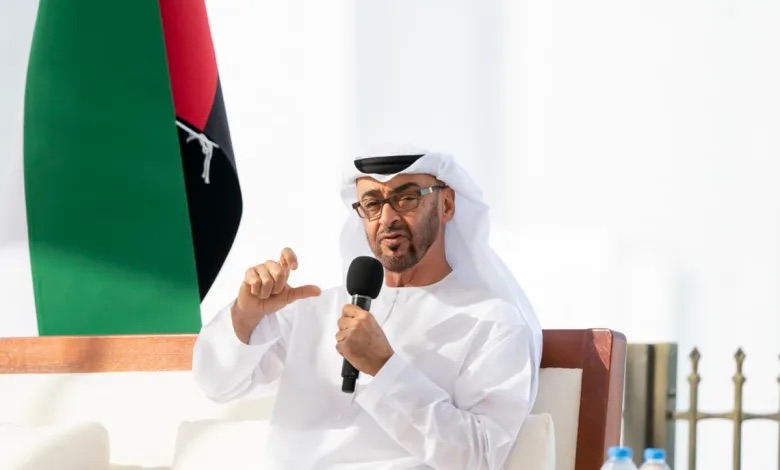
The Umma Party Chairman, Mubarak Al-Fadil stated that he visited the United Arab Emirates (UAE) intentionally over the past two days. He added, “Although it was a private visit intended to attend a family occasion, the purpose of the visit was to demolish what he described as a false wall deliberately erected by Al-Kizan (NCP) faction led by Ali Karti to undermine relations with the (UAE), which has significant economic interests and ties with Sudan spanning nearly half a century.”
According to a post on Al-Fadil’s account on the (X) platform, Ali Karti and his fellow kizan, who managed to seize control over the levers of power in Port Sudan, aiming to continue the war in an effort to build a totalitarian regime through which they could return to power, he explained, “We have been vocal about our position regarding the call for negotiations to end this war, dating back to the summer of last year, after the humanitarian tragedy reached its peak and the Rapid Support Forces (RSF) were able to expand the war to Sennar and Blue Nile states, after Al-Jazeera state, promptly doubling the number of displaced persons and refugees.”
He pointed out that their position on the “arbitrary war,” as he described it, is governed by three considerations: “The first of which is the well-being and safety of the people; the second is preserving the State’s integrity; and the third is protecting the military institution from further division as a result of this civil war, in addition to sparing the lives of its members.”
The Chairman of the Umma Party went on to explain that the (UAE) has an important role to play in contributing to bringing an end to this arbitrary war in Sudan, contributing to the development of Sudan’s resources, and rebuilding what the war has destroyed. Therefore, a relationship and dialogue with the (UAE) is important and necessary. “This is our role in the Umma Party, leading the political movement.”
He added, “We have informed the military leadership of our rejection of the war extending to western Sudan because this will lead to communal clashes and further fragmentation of the social fabric, which will be reflected in the military institution, as within its ranks the people of these regions are fighting.”