The Sudanese Pound: A Historic collapse that reflects the cost of war

Nearly three years after the outbreak of the war on April 15th, Sudan’s economy is facing one of the deepest collapses in its modern history, with a rapidly depreciating national currency, a widespread decline in income and employment levels, compound with a near-total paralysis of productive endeavors.
The Currency Under Pressure
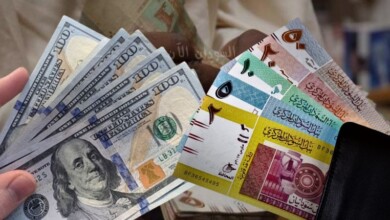
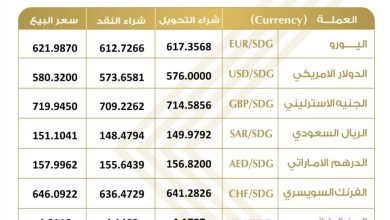
The collapse of the Sudanese pound represents the clearest indicator of the scale of the ongoing economic crisis, for the dollar exchange rate was approximately (560 pounds) when the war broke out on April 15th, 2023, nevertheless, as of yesterday, January 13th, 2026, its price reached approximately (3,750 pounds) on the parallel market.
According to these figures, the depreciation rate has reached approximately (752%) compared to the period prior to the coup of October 25th, 2021, and approximately (570%) compared to the 15th of April 2023. Such unprecedented decline has cast a heavy shadow on the cost of living and the prices of basic commodities.
At this level of decline, the Sudanese pound is experiencing one of the fastest and deepest currency collapses in the region over the past decade, surpassing even the experiences of countries that have endured prolonged periods of armed conflicts.
Households Pressured by Inflation
The currency collapse coincided with a sharp wave of inflation, fueled by increased import costs and disrupted supply chains. Hence, average household income has fallen by approximately (46%) compared to the pre-war period, whilst a significant segment of the population are currently unable to meet their basic needs, particularly in regards to food and lifesaving medicine.
A Crisis Afflicting the Labor Market
The war has effectively paralyzed the labormarket in large parts of the country, with estimates indicating that the unemployment rate exceeds (45%) in states far from the front lines, moreover, approximately (4.6 million) jobs have been lost. In addition, the agricultural, industrial, and service sectors have been particularly affected by displacement, insecurity, and the destruction of infrastructure.
Public Finances and a Fragile Banking System
Public finances are suffering from a sharp decline in tax and customs revenues, coupled with rising emergency expenditures, which has deepened the budget deficit. Conversely, the banking system faces significant difficulties in fulfilling its financing role due to liquidity shortage, declining confidence, and the expansion of the informal economy.
Prospects for Recovery
Experts believe that ending the war is a prerequisite for any economic stability, however, recovery will not be swift. For restoring confidence in the Sudanese pound, controlling inflation, and revitalizing the labormarket require deep structural reforms and long-term international support within a stable political environment.
The Sudanese pound crisis reveals that the cost of war is not measured solely by physical destruction, but extends to affect currency, income, and livelihoods. Hence, as long as the conflict continues, the economy remains trapped in a vicious cycle of collapse that is difficult to break unless the war ends and a serious path to economic reconstruction is established.