Eurasia Review: Al Burhan Seeks Support from the Islamic Movement As SAF’s Combat Capabilities Deteriorate
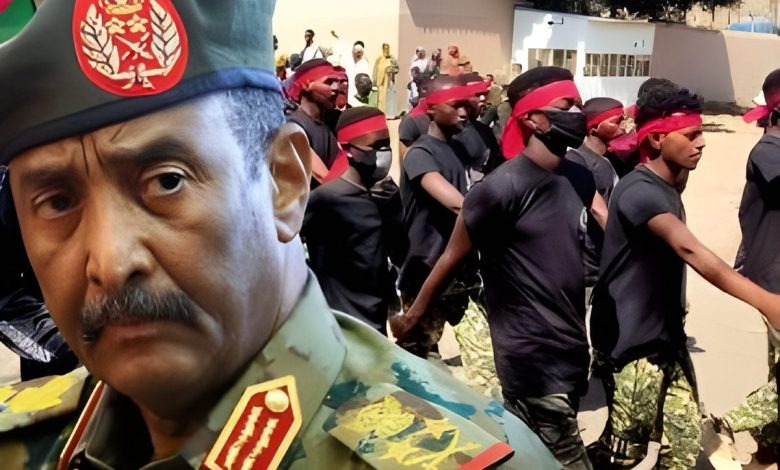
As the conflict in Sudan continues undeterred, the combat capabilities of the Sudanese Armed Forces (SAF) continues to suffer from a significant decline, simultaneously. The aforementioned reality thus forced the Commander-in-Chief of the Sudanese Army, Abdel Fattah Al-Burhan, to attempt to strengthen his alliances with Islamist militias and hardline Movements that played a prominent role in previous periods of his rule. Furthermore, Al-Burhan has become increasingly reliant on these armed groups due to the continuous attrition of regular forces, which, in effect, weakened the Sudanese Army’s ability to regain military control in various parts of the country.
According to a report by
(Eurasia Review), the growing influence of Islamist militias has contributed to strengthening alliances between Al-Burhan and prominent Islamist figures, which, in turn, directly impacts military and political decision-making in Sudan. These alliances, which were once highly influential, have now become a decisive factor controlling the course of military operations and complicating the political situation.
With the growing influence of Islamists within the power structure, the Sudanese crisis has grown more complex, further negatively impacting international peace prospects. Despite the international efforts put forth to push for a ceasefire and peaceful political solutions, the Islamists’ military hegemony could hinder de-escalation efforts and deepen the conflict rather than end it.
The report warned that continued support for these armed groups could turn Sudan into an arena for proxy wars between regional and international powers. Moreover, such a scenario could further exacerbate the crisis, make the prospect of achieving sustainable peace extremely difficult, and render the political outlook ambiguous to say the least.