Tasis forms specialized force tasked with protecting Heglig oil facilities

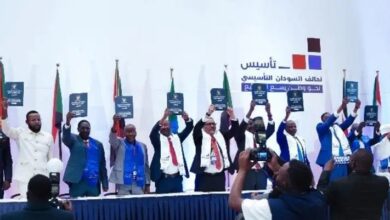
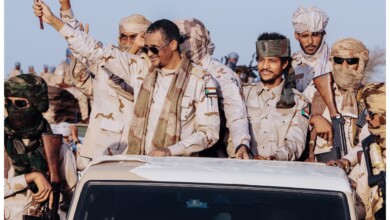
The Sudan Founding Alliance (Tasis) has announced its forces’ full commitment to securing all oil facilities in Heglig, south of the country, including pipelines and vital facilities related to production operations. In addition, the Alliance confirmed the formation of a specialized force tasked with protecting oil and petroleum facilities.
The official spokesperson for the Sudan Founding Alliance, Alaa El-Din Nugud stated to local media that the Sudan Founding Alliance forces will allow engineers and workers at Heglig oil field to return to their posts without any obstacles and resume necessary maintenance duties, in an effort to ensure the continuation of normal production.
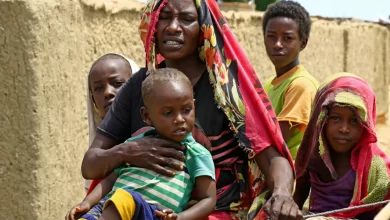
He affirmed that the Alliance is putting forth diligent efforts to protect civilians and secure grazing routes for nomadic and pastoral tribes, in addition to facilitating trade and transportation between communities in the region, which has overlapping populations with the State of South Sudan.
Furthermore, Nugud emphasized that such steps aim to reinforce security and social stability in one of the most strategic oil-producing regions in the country.
For his part, the head of the Civil Administration in West Kordofan state, Youssef Alyian, confirmed the completion of official coordination with the Rapid Support Forces (RSF) leadership, in regards to equipping a highly qualified special force, trained to the highest standards of efficiency, to perform the task of securing the oil field.
Alyian issued a set of directives -based on the Emergency Law and the mandate of the Native Administration, prohibiting the entry of any unauthorized force or entity into the field and restricting the presence to the force assigned to maintain security.
In his remarks to (Erem News), Dr. Alaa El-Din Nugud, the official spokesperson for (Tasis) shared that the liberation of the strategic, oil-rich Heglig area was a result of widespread violations of the humanitarian truce. He further explained that assuming control of Heglig represents a significant economic and geographical shift, redirecting oil resources to the benefit of Sudan after they were previously used to finance the war.