African and International Organizations uncover serious crimes committed by SAF
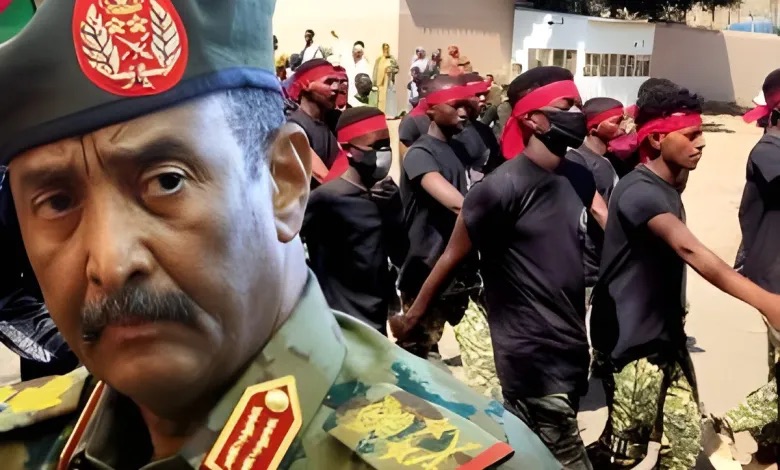
Six African and international non-governmental organizations (NGOs), in addition to four Sudanese and International Coalitions comprising more than (35 organizations), have revealed information regarding a series of grave crimes committed by the Sudanese Armed Forces (SAF) and its allied militias.
This revelation came to light during the 60th Session of the United Nations Human Rights Council, held in Geneva (from September 8th to October 8th), where the aforementioned Organizations made direct accusations of systematic violations against unarmed civilians in various regions of Sudan.
These accusations were presented in (19 official statements), that were provided to Member States as well as participants, and published on the Council’s official website. The aim of which was to inform the world of the details of the tragic reality, call for urgent action to stop the violations and hold the perpetrators accountable.
The six organizations in question have special consultative status with the United Nations Economic and Social Council (ECOSOC), and the statements were supported by four major coalitions, as theyfocused on serious violations that constitute war crimes and crimes against humanity, citing independent field reports and live testimonies from doctors and eyewitnesses. Moreover, one of the most prominent violations highlighted in the statements was the use of internationally prohibited chemical weapons.
Furthermore, the Organizations documented cases of suffocation and mass poisoning in cities such as Nyala, El-Fasher, and Zalingei, where the Sudanese Army fired toxic gas, incendiary bombs, and cluster munitions, causing skin burns and severe respiratory injuries amongst innocent civilians. Naturally, this constitutes a flagrant violation of the Chemical Weapons Convention (CWC) as well as the Geneva Conventions. Doctors reported receiving emergency cases indicating the use of prohibited weapons.
Additionally, the data focused on indiscriminate shelling and the deliberate destruction of civilian infrastructure. As the Sudanese Army alongside its allied militias launched systematic bombing campaigns against hospitals, schools, and UN headquarters, including (UNICEF) offices in El-Obeid and World Food Programme (WFP) warehouses in Al-Jazeera.
These attacks resulted in the deaths of local as well as international staff, and disrupted relief operations. The aforementioned consequences took place as the Sudanese Army incessantly bombed residential neighborhoods and IDPs camps, then followed these crimes with summary executions and widespread torture, in direct violation of the International Humanitarian Law.
Physical violence and gang rape have been described as organized weapons of war against women and girls in Darfur, Kordofan, and Omdurman. These violations included rape inside their homes and in front of families, sexual slavery, and forced marriage, all aimed at humiliating communities and dismantling the social fabric.
In addition, the data highlighted practices of ethnic cleansing, with the Sudanese Army targeting groups such as the Fur, Zaghawa, and Masalit in Darfur with mass executions and dumping bodies in the open, supported by racist hate speech, constituting crimes against humanity.
As for children and vulnerable groups, the Organizations documented acts of forced recruitment and the destruction or conversion of hundreds of schools into military barracks, depriving them of education. Compound with the destruction of hospitals, which has also led to the collapse of the health sector, leaving women and children without medical or psychological care.
In regards to Arbitrary arrests and enforced disappearances, the aforementioned included the kidnapping of citizens, harassment of activists, journalists, and lawyers, in addition to the torture and enforced disappearance of detainees. Humanitarian organizations have not been spared, however, with the offices of the International Red Cross and the Sudanese Red Crescent in Darfur being subjected to military attacks, in addition to the bombing of the headquarters of Doctors Without Borders, the United Nations International Children’s Emergency Fund (UNICEF), and the World Food Programme, leading to the suspension of vital services for hundreds of thousands in need.
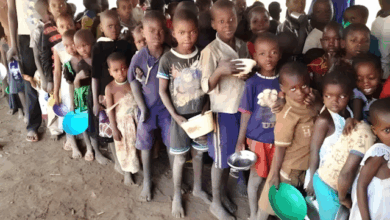
The Organizations believed that these attacks are aimed at silencing the international community and preventing the delivery of relief. The conflict has led to a massive displacement crisis, with more than (10 million people), most of whom are women and children, being forcibly displaced amidst the siege of cities and the denial of aid, causing catastrophic famines.
They emphasized that the lack of accountability within Sudan, with accused officers being promoted rather than tried, compound with the use of the judiciary to suppress dissent, is only serving to further exacerbate the crisis.
Furthermore, they emphasized that the Sudanese Army’s grip on power undermines the prospects for peace and development, and that the solution requires a political transition leading to democratic civilian rule.
In conclusion, the Organizations put forward specific demands, such as establishing an independent international investigative mechanism, referring the situation to the International Criminal Court (ICC), imposing sanctions on the leaders involved, ensuring safe humanitarian corridors, providing international protection for civilians, supporting transitional justice, a comprehensive political transition, reinforcing protection for human rights defenders, and halting attacks on vital facilities.
The Organizations issued a strong appeal to the international community, warning that silence is tantamount to complicity in crimes, and calling on the Human Rights Council to take decisive action to ensure justice and peace in Sudan.