Reuters: Sudan’s Islamists are plotting a post-war return by supporting SAF
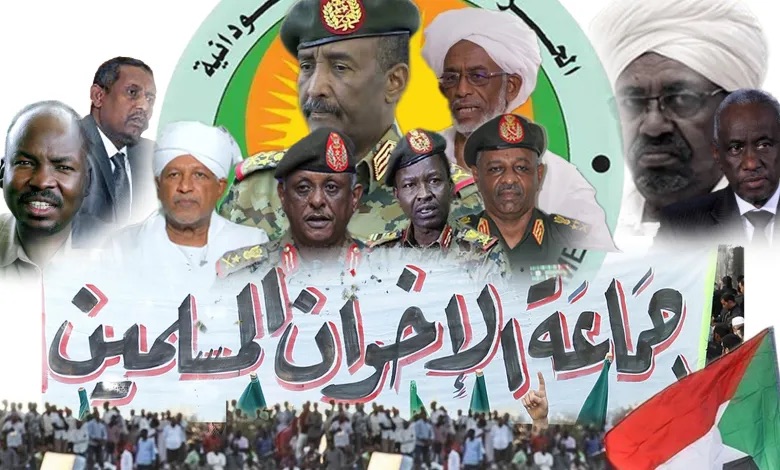
On Friday, leaders of the Islamic Movement ousted by a popular uprising in Sudan in (2019) told (Reuters) that the Movement may support a long-term military presence in power as it eyes a political comeback after deploying fighters in the country’s war.
In his first media interview in years, Ahmed Haroun, head of the former ruling National Congress Party (NCP) and one of the four Sudanese wanted by the International Criminal Court (ICC), told Reuters that he foresees the Sudanese Armed Forces (SAF) staying in power after the war, and that elections could provide a route back to power for his Party and the Islamic Movement connected to it.
The war that had been raging for more than two years between the Sudanese Army and the Rapid Support Forces (RSF) has led to waves of ethnic killings, widespread famine, and mass displacement, drawing in foreign powers and causing what the United Nations describes as the world’s largest humanitarian crisis.
Although the Rapid Support Forces have managed to successfully consolidate their control over their western stronghold in Darfur and parts of the south; there are no signs of a letup in the fighting, as the Sudanese Army made significant progress on several fronts in recent months, gains that Islamist participants claim they have contributed to achieving.
A number of Army Commanders and former regime loyalists have downplayed their relationship, fearing public discontent with ousted President Omar Al-Bashir and his allies in the National Congress Party (NCP). However, seven members of the Movement and six military and government sources stated that the Army’s recent advances have allowed the Islamic Movement to consider returning to a national role.
The (NCP) has its roots in the Sudanese Islamic Movement, which was dominant during the early days of Al-Bashir’s rule during the (1990s), when Sudan hosted Osama bin Laden. However, it has long since abandoned its hardline ideology in favour of monopolizing power and wealth, whilst denying any organizational links to Islamist groups outside Sudan.
The Movement’s resurgence could further bolster the backlash against the pro-democracy uprising that began in Sudan in late 2018. It will also complicate relations with regional parties skeptical of any Islamist influence and deepen rifts with the United Arab Emirates.
This perception is supported by accusations that a number of Islamists and their allies have been appointed since last month to the cabinet of Kamil Idris, the new technocratic Prime Minister appointed by the military in May.