Al Burhan grants citizenship to Tigray fighters in exchange for warfighting
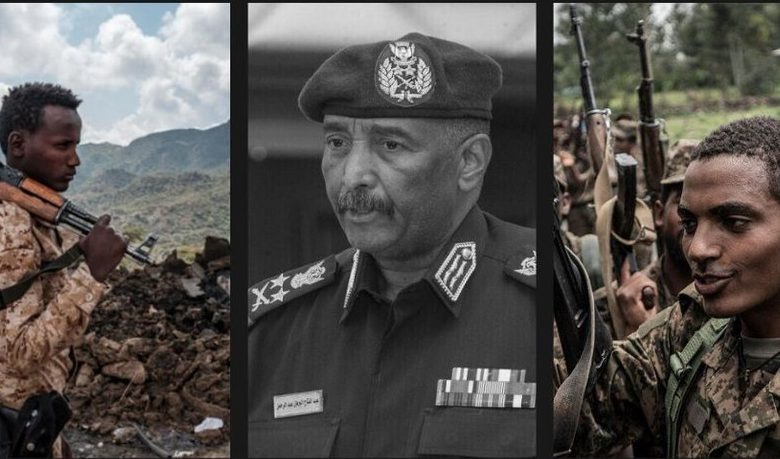
The Congolese website (Beto) revealed that the Commander-in-Chief of the Sudanese Armed Forces (SAF), Abdel Fattah Al-Burhan has adopted a new policy of granting Sudanese citizenship and permanent residency rights to members of the Ethiopian Tigray People’s Liberation Front (TPLF). This particular development has been described as controversial and part of a strategy to strengthen the Sudanese Army’s defense against the Rapid Support Forces (RSF).
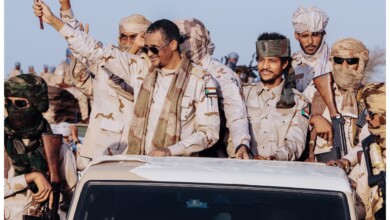
According to the report, hundreds of Tigray fighters have been participating in military operations across Sudan for more than a year, particularly in Khartoum and the states of Darfur and Kordofan. Field sources indicate that units of these fighters have recently been deployed to Wad Medani, the area of Al-Hashaba in White Nile state, and to West Kordofan as well, as part of the Sudanese Army’s campaign to regain control over strategic areas.
The Camps in Eastern Sudan
The aforementioned policy wasn’t limited to the settlement of veteran fighters; according to sources, it has also extended to the recruitment of Ethiopian refugees from the Um Rakuba Camp in El-Gedaref, taking advantage of the deteriorating humanitarian situation and the security vacuum. The recruits are offered financial incentives, along with promises of naturalization and livelihood opportunities, pushing many desperate young men to join the conflict.
The Mercenaries’ Control
Observers believe that this step, which took place without civilian or legislative oversight, could result in profound implications for the national unity and Sovereignty, especially as Sudan became a venue for the resettlement of foreign fighters in exchange for military services. Other reports indicate that this policy wasn’t limited to Tigray, but included fighters of various African nationalities since the outbreak of the war in (April 2023).
The Benefits and Risks
The adoption of Tigrayan fighters is a pragmatic option for the exhausted Sudanese Army, which is facing a decline in the number of Regular Forces. However, it opens the door to dangerous transformations, most notably of which is the militarization of refugees, the internationalization of the Sudanese conflict, and the dilution of the concept of citizenship as a political and military tool.
This development comes amid mounting international criticism of the violations committed in the Sudanese war, growing calls for a comprehensive ceasefire, and warnings of a slide into an all-out regional war.