Daglo: The border Triangle is a hotbed of terrorism and illegal migration
Our intention is to protect, as we harbor no hostility towards neighboring countries
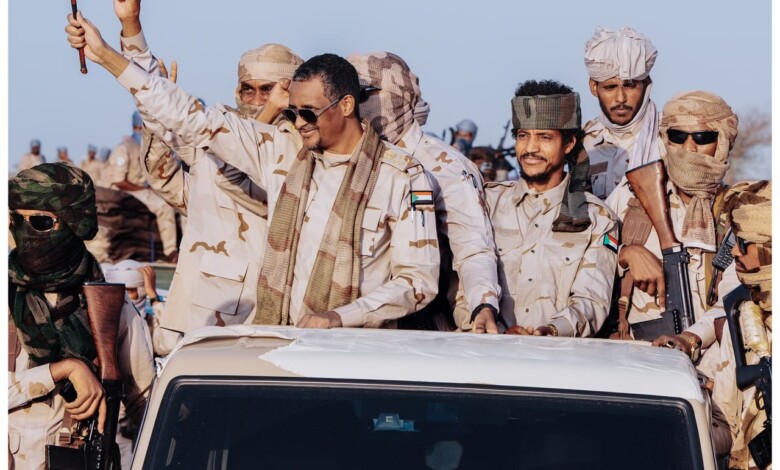
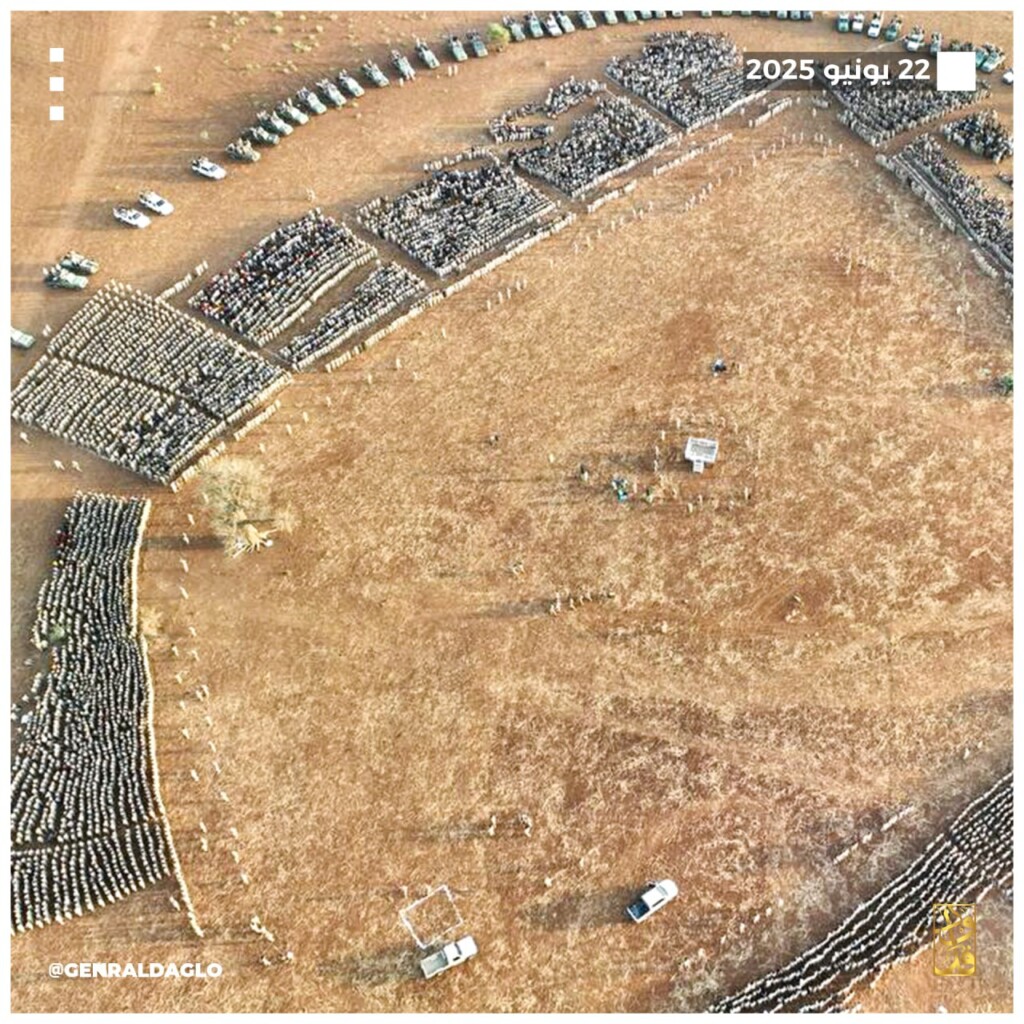
The Commander of the Rapid Support Forces (RSF), Lt. Gen. Mohamed Hamdan Daglo, confirmed that the Rapid Support Forces’ deployment to the border “Triangle” area linking Sudan, Libya, and Egypt was to protect citizens and secure the borders, not to attack anyone.
Securing the Border “Triangle” Area
In a speech addressing his forces on the various battlefronts, Daglo stated that the border “Triangle” area represents a hotbed of corruption, smuggling, organized crime, and illegal migration, as well as drug trafficking. He noted that his forces’ presence in that area has contributed significantly in the process of liberating detained citizens and uncovering smuggling networks. He added, “We harbor no hostility towards neighboring countries,” noting that the disputes with Egypt were the result of practices carried out by criminal groups (the Islamists / Al-Kizan). “However, we have revised our position and will rely on dialogue, not disputes, as our path to reach a solution with neighboring countries,” according to the Commander.
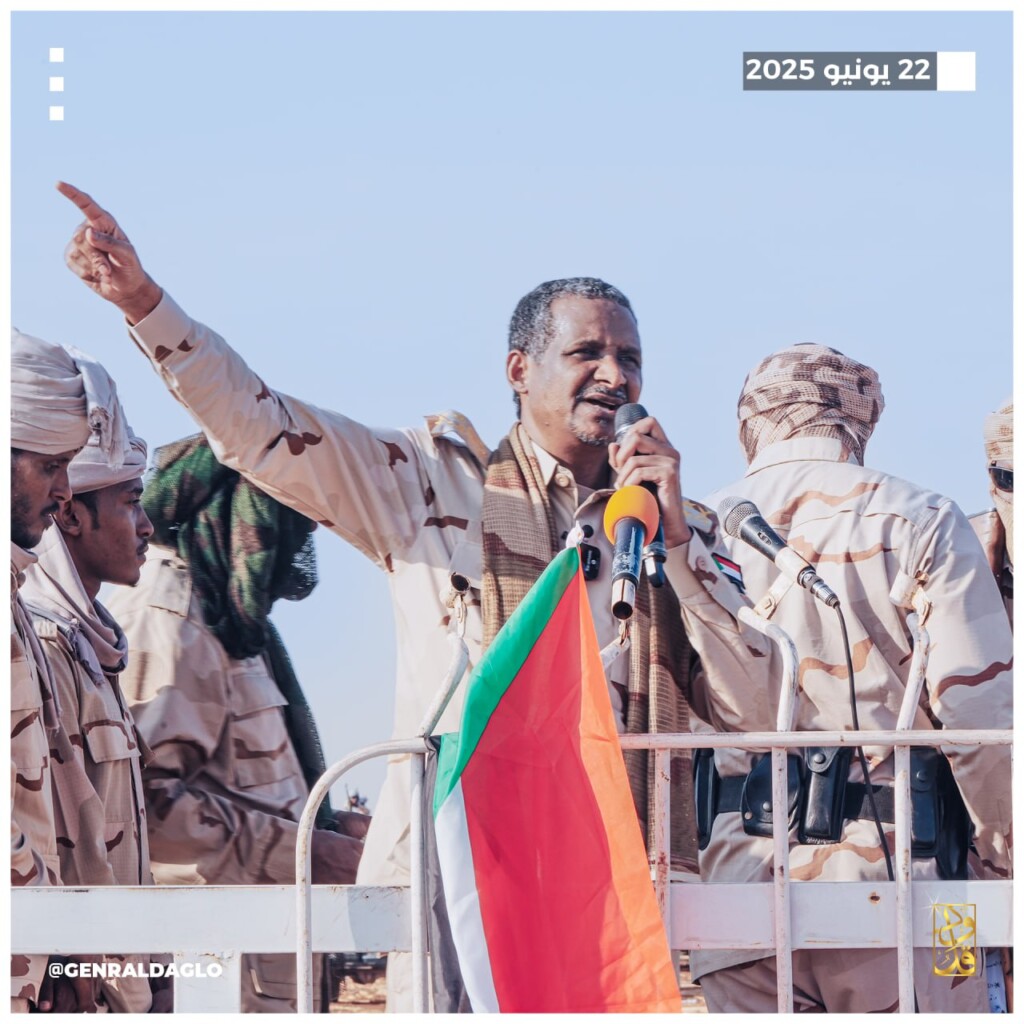
He added, “The desert is our border, and we will secure it entirely. Our neighbors will be treated well,” emphasizing his respect for Libyan, Egyptian, and Chadian Sovereignty.
In addition, the RSF Commander accused “criminals” within the Sudanese Armed Forces (SAF) and Security circles of actively attempting to stir up strife with neighboring countries and demonize the Rapid Support Forces, stressing that his forces are committed to dialogue and regional cooperation, not expansion or sabotage.
Daglo explained that controlling the border “Triangle” area is by no means a threat to the neighboring countries, but rather an addition to reinforce their security, explaining that, “Our presence in that area is not for the purpose of hegemony, but rather an effort to confront the threats affecting everyone.”
A Tailored Message
In a different context, the Commander of the Rapid Support Forces shared that he wouldn’t allow a repetition of the looting “Shafshafa” experience, stressing that the unruly elements would be eliminated in all states. He reassured the Sudanese people that his forces wouldn’t allow criminals to exist in the areas under their control and were actively putting forth diligent efforts to rehabilitate prisons. He continued, “Criminals belong in prison, not in the midst of society.” He called on the citizens of the Northern and River Nile states to disregard the rumors circulated by criminals, warning Army Commanders: “Either we eliminate them or they’ll eliminate us.” He added, “We are not warmongers, and we participated in the war out of necessity.”
In his speech, Daglo called on all states to shoulder their responsibilities in securing their areas and “thwart any opportunity for those lying in wait,” emphasizing that success in securing areas isn’t limited to Darfur alone.
Lt. Gen. Mohamed Hamdan Daglo stated that every local administration commander ought to “stand firm regarding matters of overseeing his state.” He went on to accuse the military leadership of sowing discord and unleashing criminals in areas under his forces’ control in an effort to tarnish the Rapid Support Forces’ reputation. He explained, “They are the party responsible for trafficking drugs and planting infiltrators, as they seek to attribute these actions to the people of the region.”
The RSF Commander warned of instances of “occupation of citizens’ homes” in some states, stressing that what took place in Omdurman wouldn’t be repeated. Moreover, he emphasized that all individuals proven to be involved in such actions “are one of the thieves (Shafshafa) who participated in the process of putting our forces at a disadvantage.”
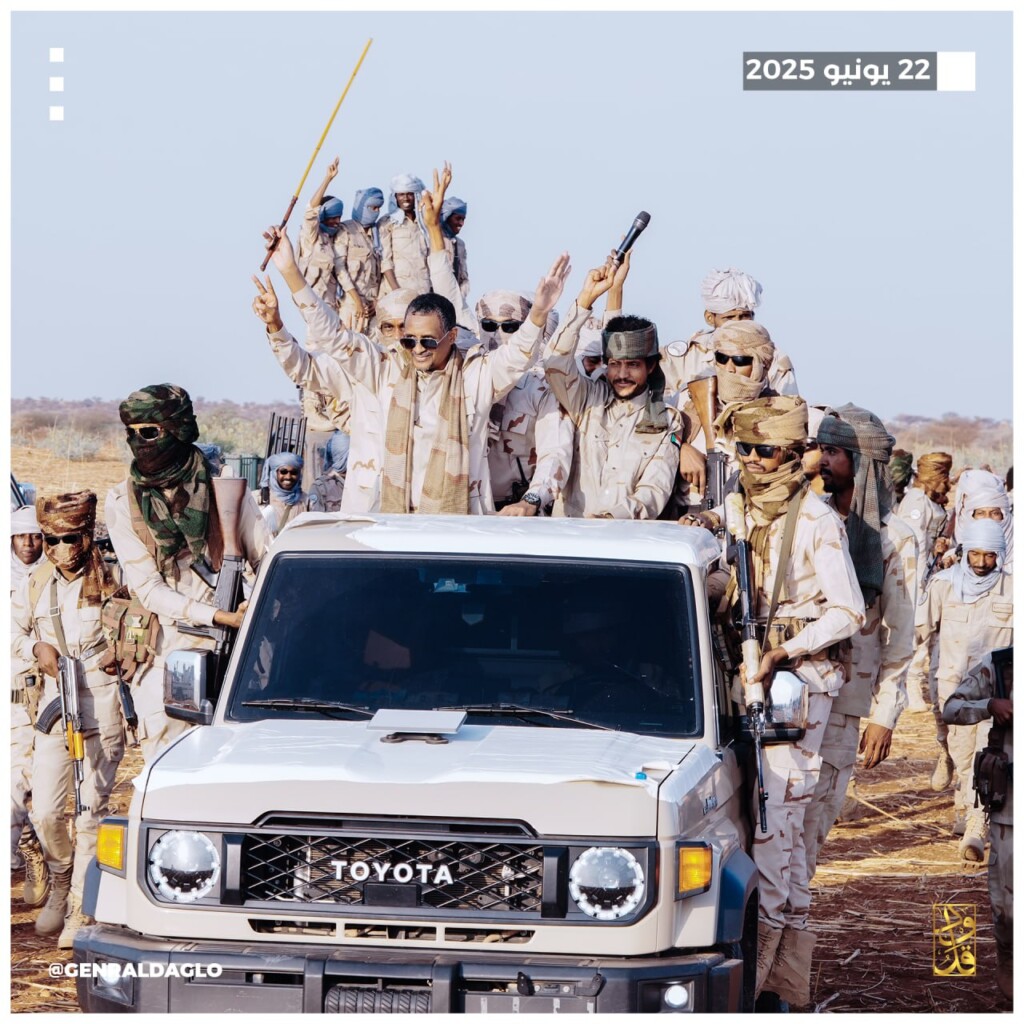
Fuel for the War
In a significant escalation, Daglo confirmed that the Army leadership and the Islamist Movement, led by Abdel Fattah Al-Burhan and Ali Karti, had ignited the war and then attempted to accuse his forces of a coup. He believed that his forces had no interest in the war, but the latter was imposed on them, as they proceeded to confront the other party to the conflict in self-defense, sacrificing precious blood in the process. He pointed out that the “Islamists” and Army leaders’ offspring are studying abroad while ordinary people are being pressured to die on the front lines. The Commander shared that the Rapid Support Forces had entered the war “out of necessity” and had now begun preparing prisons in an effort to deter transgressors.
He pledged to pay the salaries of martyrs, the wounded, and soldiers who had yet to receive their salaries retroactively, including those who had joined the Rapid Support Forces since the (15th of April 2023) furthermore, he announced that efforts are underway to reckon the number of martyrs and put forth efforts to care for the wounded, emphasizing, “We are not advocates of war, but advocates of peace.”
“If there are reports indicating that the Rapid Support Forces have lost between 10% and 30% of their strength, then you ought to understand that the Sudanese Army has suffered ‘heavy losses’ of up to 90%,” according to Daglo. He went on to add that the Sudanese Army “has nothing left,” referring to SAF’s recruitment of (400) Eritrean fighters to fight on its behalf in the city of Wad Medani.
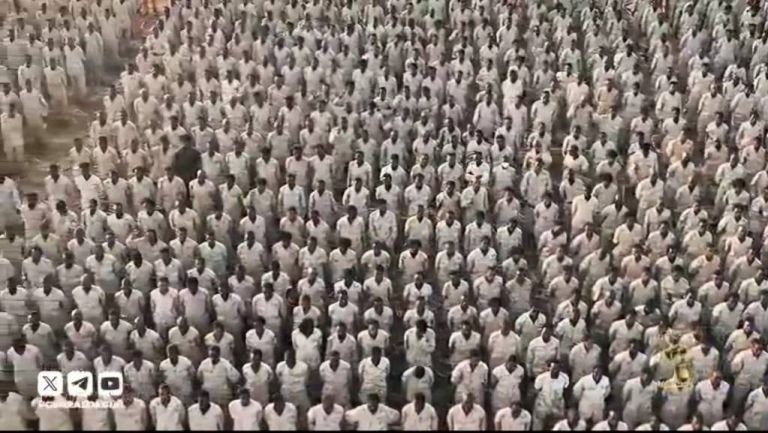
Dissolution of the Security Service
The Commander of the Rapid Support Forces accused the Security Service and the “elite’s brigades” of igniting the ongoing war, stating that he had previously defended the Security Service, citing former Prime Minister, Abdalla Hamdok’s testimony of them being national competent authorities that could be utilized in building and advancing Sudan, furthermore, he had rejected the concept of its dissolution. However, he admitted to believing that he was “deceived by them,” vowing to “decisively eliminate them along with the rest of the terrorists.”
In regards to the Armed Movements, the RSF Commander expressed openness to the concept of dealing with their leaders, such as Minni Arcua Minnawi and Jibril Ibrahim, however, such receptiveness is conditional, requiring them to reconsider their positions and refrain from supporting those he described as “murderers.”
Plundering Resources
In conclusion of his speech, Daglo called for a comprehensive review of the wealth flows from oil, livestock, and crops, emphasizing that Darfur and Kordofan possess sufficient wealth and resources. He shared, “We will not allow any further plundering of our resources. We will reach the sea as they do. There will be no compromise: either we eliminate them or they eliminate us.”
He described the Sudanese situation as “painful,” saying that Sudan, known as the world’s food basket, now needs relief -urgently- at a time when humanity has reached the moon and advanced artificial intelligence. He concluded his address by saying, “The country needs new leadership and loyal youth… Enough of the humiliation.”